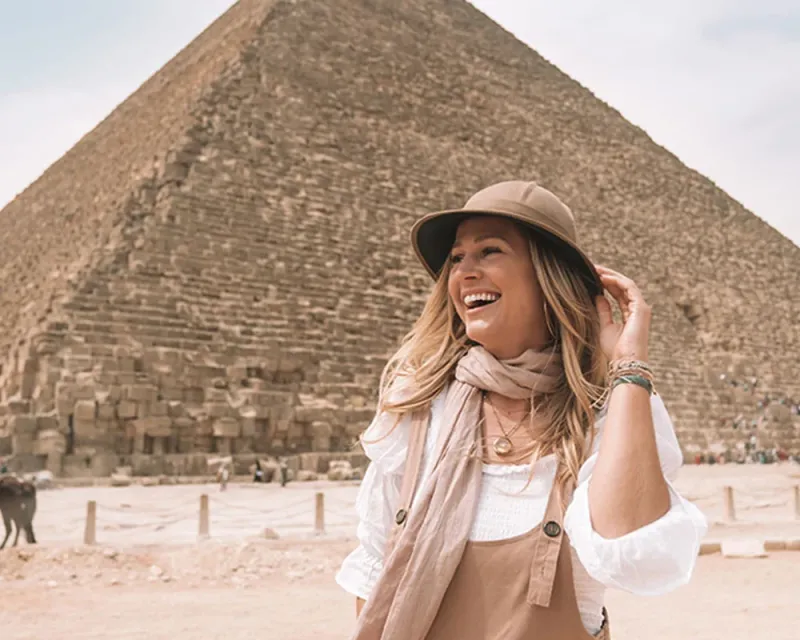
Look, I’ll be the first to tell you: Egypt is a lot. It’s one of those places that stays stuck in your head long after you’ve unpacked your bags and gone back to your normal life. The scale of the pyramids? Huge. The history? So deep it’s actually kind of hard to wrap your brain around. But I’ll be honest, it can also be a total sensory overload. Between the dust, the noise, and the constant energy, it’s intense. You don't just visit Egypt; you kind of just have to jump in and let the chaos happen.
A little bit of prep goes a long way here. If you understand the rhythm of how the country moves, you can actually relax instead of stressing over every little detail. Here’s some practical, real-world advice to help you get through your first visit.
What to expect in Egypt
Egypt is this wild, beautiful mix of 4,000-year-old tombs and a very loud, modern daily life. One minute you’re standing in a silent tomb in the Valley of the Kings, and the next you’re dodging a scooter in a Cairo street filled with the smell of roasting coffee and constant honking. It’s a contrast that catches people off guard, but embracing it is the only way to go.
Cairo is high-energy and never really sleeps. If you want to breathe a bit, places like Aswan are much slower and focused on the Nile. Just accept that Egypt moves at its own speed. Don't try to compare it to how things work at home, or you'll just end up annoyed.
Plan your itinerary
The biggest mistake I see people make is trying to cram every single monument into one week. You’ll just end up templed-out and miserable. It’s better to pick the big hits Cairo, Luxor, and Aswan and actually give yourself time to sit down and soak it in.
A Nile cruise is a classic for a reason. It connects the major sites while forcing you to slow down and just watch the riverbanks go by. Leave some white space in your schedule for a random walk through a local market or a long dinner. Those quiet, unplanned moments are usually the ones you’ll actually remember.
Best time to visit
Timing is everything. If you show up in July, you’re going to melt. I’m not kidding, the heat in the south is no joke, and it can reach 45°C (113°F). Spring (March to May) and autumn (September to November) are the sweet spots.
Winter is great too, but don't let the sun fool you; the nights in the desert get surprisingly cold. If you're going in January, bring a real jacket. Most buildings aren't insulated well, so you might actually find it’s warmer outside in the sun than it is in your hotel room at night.
What to wear
Pack for comfort, but keep it respectful. Egypt is still pretty conservative, especially in the cities. You don't need to be covered head-to-toe, but keeping your shoulders and knees covered is a good rule of thumb, plus it keeps the sun off your skin. Lightweight fabrics like linen or cotton are your best friends.
And for the love of everything, bring the best walking shoes you own. You’re going to be trekking over sand, old stone, and very uneven stairs all day long. This is definitely not the trip to break in brand-new boots. Also, ladies, throw a light scarf in your bag; it’s perfect for visiting mosques or just shielding yourself from the dust.
Stay healthy and hydrated
It’s mostly common sense: drink tons of water, but only from the bottle. I’d even use it for brushing my teeth just to be safe. The air is dry and you’ll be outside a lot, so dehydration can hit you before you even realize it.
When it comes to the food, the local stuff is incredible. Try the koshary and the taameya (their version of falafel). Stick to freshly cooked, hot meals at the start. If a place is packed with locals, that’s usually a good sign. Just give your stomach a day or two to adjust before you go totally wild on the street food.
Getting around
Cairo traffic is a free-for-all. Instead of haggling with every taxi driver on the corner, just use Uber or Careem. It’s cheap, the price is set in the app, and it saves you a ton of mental energy. For the long jumps between cities, domestic flights are quick, but the sleeper train is a cool way to see the countryside. If you're nervous about the logistics, having a driver or a pre-booked guide can be a total lifesaver. It lets you focus on the view instead of the map.
Tipping
Tipping (called baksheesh) is a part of daily life. It’s just how things work there. You’ll have people offering to carry your bags, pointing out secret spots in a tomb, or even handing you a square of toilet paper in a public bathroom. It can feel a bit relentless at first, but it's normal. My advice? Keep a bunch of small 5 and 10 pound notes in a separate pocket. It makes it way easier to just hand someone a tip and move on without having to pull out your whole wallet.
Interacting with locals
Egyptians are some of the friendliest people you’ll ever meet. A simple "Salam" (hello) or "Shukran" (thanks) goes a long way. Don't be afraid to have a conversation. Sometimes the best part of the trip isn't the monuments; it's the half-hour you spent drinking tea with a shopkeeper who wanted to show you pictures of his kids. Those connections are what make the trip feel human.
Stay aware and travel smart
Like any big tourist spot, you just have to stay aware. Keep your bag close in the markets and don't be afraid to say a firm "No, thank you" (La, shukran) if someone is being a bit too pushy with a sales pitch. It’s just part of the experience. Trust your gut, keep your cool, and don’t let the small stuff get to you.
Why book guided experiences
Look, you can read every guidebook on the shelf, but having a local expert standing next to you in a tomb is just a different ballgame. They bring these ancient walls to life in a way a Wikipedia page never could. But honestly? The real reason to get a guide for your first trip is the logistics.
Egypt is great, but it can be a headache to navigate. A good guide handles the ticket lines, the transportation, and the "when to go where" stuff. It basically clears your schedule so you can just focus on looking at the Sphinx instead of worrying about where your driver parked or if you’re getting the right price for a ticket. For a lot of people, that peace of mind is what makes the trip actually feel like a vacation.
Your first Egypt trip made easy
Your first trip to Egypt is going to be a whirlwind, there's no way around that. It’s eye-opening, it’s a little loud, and it’s definitely something you’ll never forget. If you go in with a plan but stay flexible enough to just embrace the local culture, you’re going to have an incredible time.
If you want to skip the stress of planning every single detail yourself, a well-organized Egypt tour is a solid way to go. With a little bit of prep, Egypt isn't just going to meet your expectations, it’s probably going to blow them out of the water.
Frequently Asked Questions
How many days do I need for my first Egypt trip?
Try to aim for 7 to 10 days. That’s usually enough to see the heavy hitters like Cairo and Luxor without feeling like you’re in a constant race. Anything less and you'll just end up exhausted.
What should I pack for Egypt?
Think breathable and respectful. Linen clothes, your most comfortable walking shoes, and a lot of sunblock are the big ones. A light scarf is also great for keeping the dust off or covering up when you head into a mosque.
Is it easy to get around Egypt as a first-time visitor?
Easier than you’d think. In the cities, Uber is a lifesaver because you don't have to haggle over the price. For the longer gaps between cities, most people just stick to domestic flights or Nile cruises to keep things simple.
Do I need a guide in Egypt?
You can go it alone, but for a first-timer, a guide is a massive help. They handle the ticket chaos and the history, which lets you actually look at the monuments instead of staring at a map the whole time.